



The History of the Hermès Birkin
The History of the Hermès Birkin
From a conversation on a flight to the most sought-after bag in the world.

The history of the Hermès Birkin begins with a conversation between two strangers. In the early 1980s, the actress and singer Jane Birkin found herself seated beside Jean-Louis Dumas, then executive chairman of the house, on a flight from Paris to London. She told him she could not find a bag that suited her life as a young mother. Out of that complaint came one of the most sought-after bags in the world.
How was the Birkin bag created?
The story has been told so often that it has taken on the shape of a legend, and the details shift with the teller. Some accounts place the flight in 1981, others a little later. Jane Birkin remembered sketching her ideal bag on an airline sick bag, while the house credits Dumas with the first drawing: a supple, spacious holdall with a flap and saddle stitching.
What every version agrees on is the brief. She wanted something beautiful that could hold everything a full life demanded, with room for her baby's bottles. The house dates the Birkin to 1984, and it was released with her blessing to carry her name.
Jane Birkin was born in London in 1946 and made her home in France from the age of twenty. It suits the bag that its namesake belonged to both ends of that flight.
What makes a Birkin a Birkin?
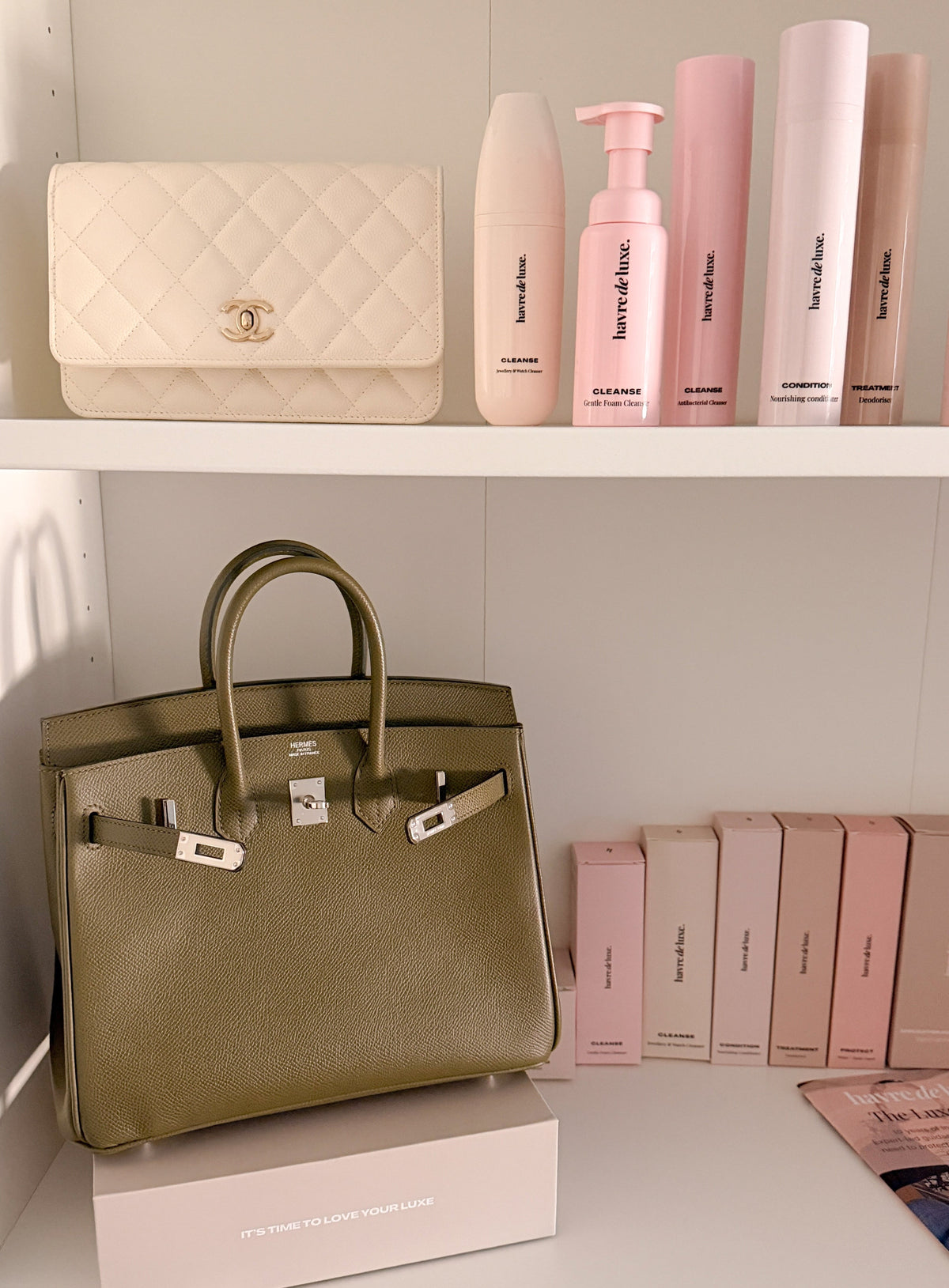
Four decades on, the design has barely moved, and that steadiness is a large part of its authority. Two rolled handles. A flap with a lock closure. A small padlock, its key carried in a leather bell known as the clochette. Metal feet on the base to keep it off the ground. The classic sizes run from 25cm to 40cm.
The bag is built in the retourne style, stitched inside out and then turned, and each one is made by a single artisan from start to finish. We follow that craft through the workshop in the journey of a Birkin from cut leather to finished bag.

When did the Birkin become an icon?
Not straight away. When it arrived in the mid-1980s, other houses dominated the handbag market and the Birkin was largely overlooked. Its moment came with the It-bag era of the late 1990s and early 2000s.
Two things helped. In 1997, a version in Togo arrived, the grained calfskin that is now the more popular choice. Then in 2001, Sex and the City made the bag a plot point, as Samantha tries to talk her way past the waiting list. From then on the Birkin was less a handbag than a piece of cultural shorthand.
If you are weighing up leathers, our guide to Clemence, Togo and Epsom sets out how each one looks and wears.
What is the Himalaya Birkin?
If one Birkin has come to stand for rarity itself, it is the Himalaya. It is made in matte Niloticus crocodile, dyed so the colour moves from smoky grey and brown at the sides to near white at the centre, an effect meant to recall snow on the peaks it is named after. The skins have nothing to do with the mountains themselves. The name is all in the colour.
The dyeing is so exacting that only the house's own artisans undertake it, and the bag is offered to very few clients. It is among the most sought-after bags in the world.
Jane Birkin's own Birkin
The first bag made for her was a prototype, and it was never quite like the ones that followed. It had a fixed shoulder strap that no later Birkin has carried, gilded brass hardware and her initials, J.B., on the flap. She carried it every day for around a decade, hung a nail clipper from it on a chain and covered it in stickers for the humanitarian causes she supported. In 1994 she gave it to a charity auction in aid of a French AIDS charity.
That bag is the most honest chapter of the whole history. It was scuffed, personal and thoroughly used, and loved all the more for it. Jane Birkin died on 16 July 2023, aged 76. The bag that carries her name is still made to the brief she gave on that flight.
The first Birkin was never kept for best. It went everywhere with her for a decade.Havre de Luxe
How do you care for a Birkin you carry?
That is the spirit we would always encourage. A Birkin is made to be carried, and the care it asks for is simply what lets you do that without a second thought. For a look at one of the most photographed collections in the world, see Kim Kardashian's Birkin collection.
Protect before first wear
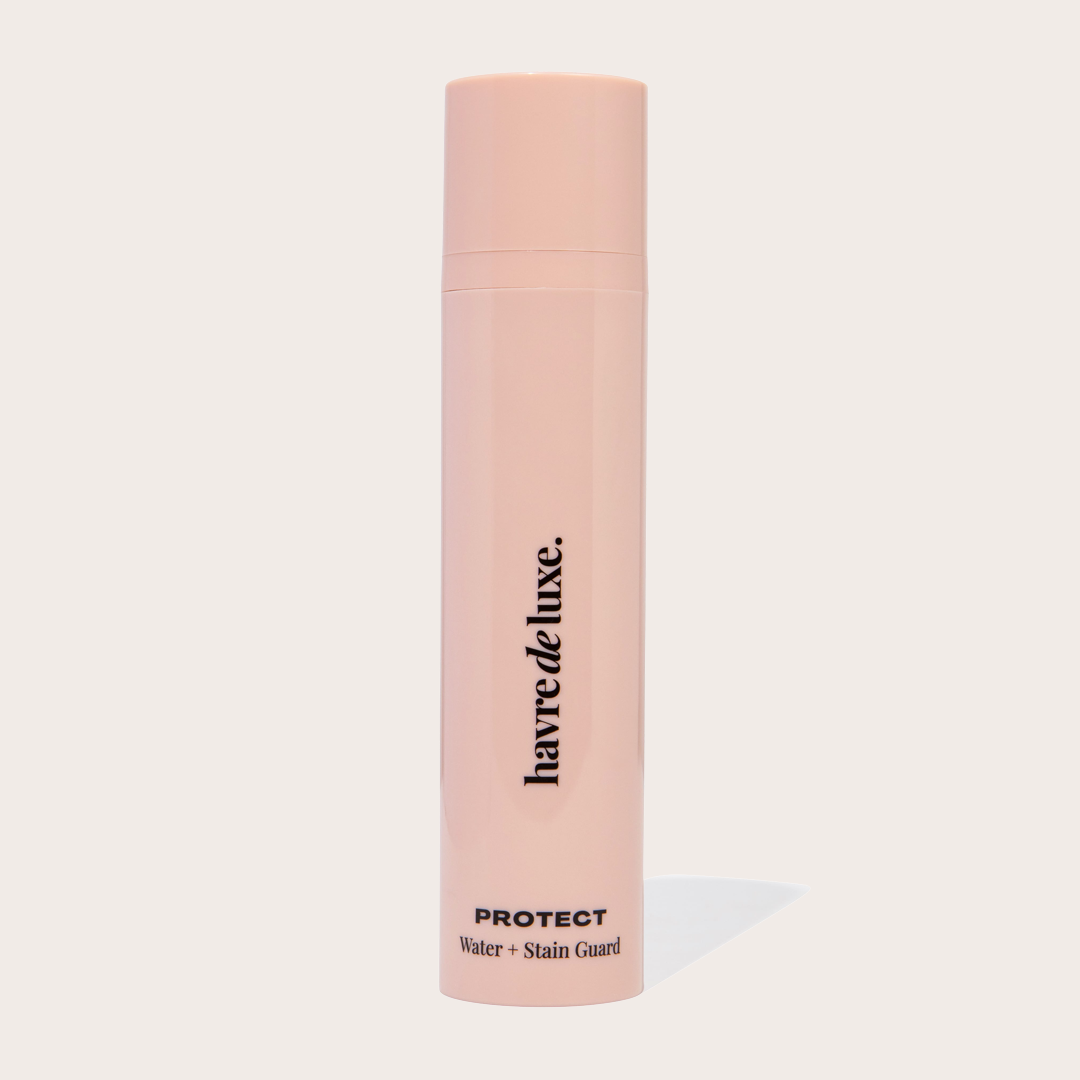
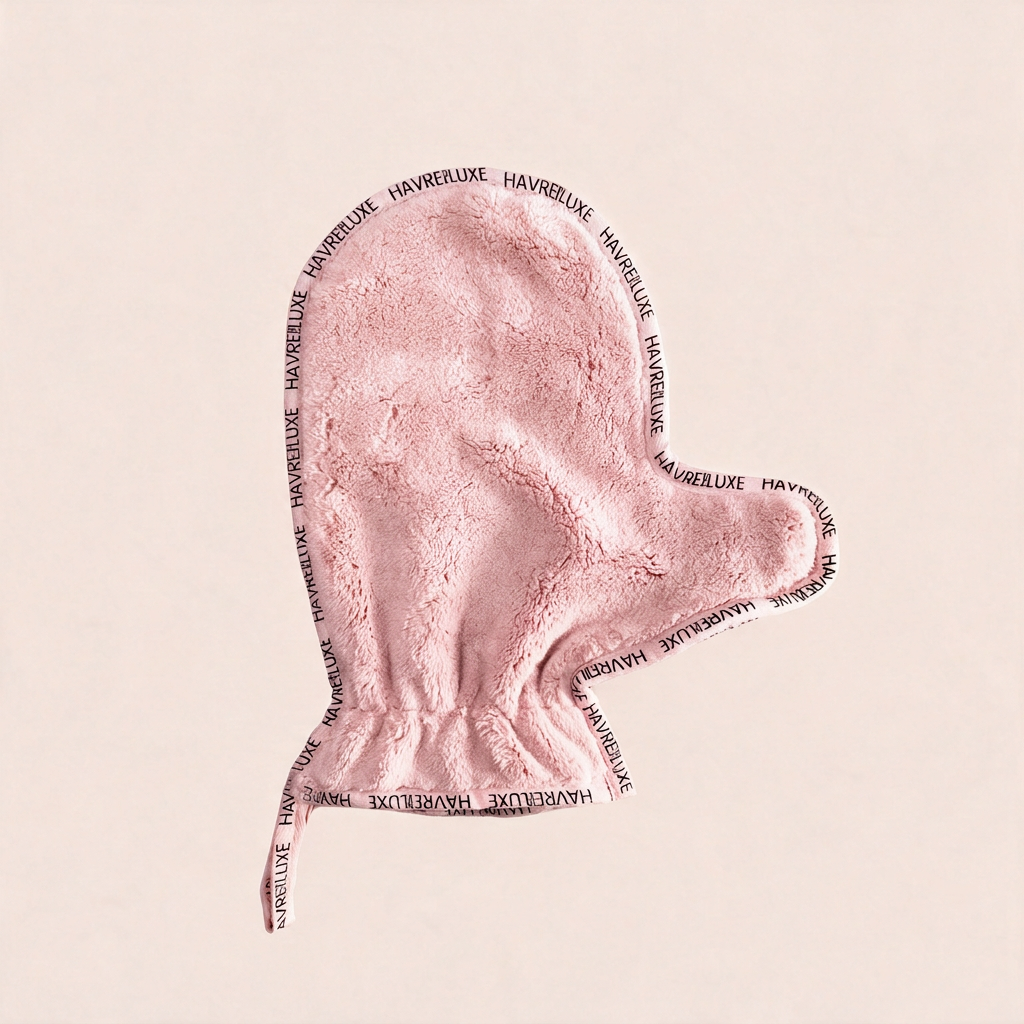
A new bag needs no conditioner, because the leather still holds its own oils. What it wants is Water and Stain Guard, sprayed two or three times onto the Application Mitt and worked over the leather in light, even passes, for total peace of mind. Never spray smooth or grained leather directly.
Guard the hardware
The lock, the padlock and the feet take the knocks of everyday life. Our hardware protectors are made to order and sized to each model, helping to guard the standard hardware against everyday scratches.
Cleanse gently, as you go
Cleansing Wipes are safe on smooth and grained leathers and every exotic, though never on suede or nubuck. Catch a mark while it is fresh, use light passes, and on crocodile or alligator wipe with the grain of the scales, never against it.
Condition once it is in use
Once the bag has been out in the world for a while, Nourishing Conditioner is the everyday choice and the only product we make with a UV filter. For leather in good condition, conditioning at every other protect is plenty.
Let it rest well
Between outings, keep it in its dust bag rather than its box, somewhere cool, dry and shaded. Leather needs air.

FAQs
When was the Birkin bag first made?
The Birkin dates to 1984, following a meeting between Jane Birkin and the house's then executive chairman, Jean-Louis Dumas, on a flight from Paris to London in the early 1980s.
Who is the Birkin bag named after?
Jane Birkin, the London-born actress and singer who made her home in France. She gave her blessing for the bag to carry her name.
What is a Himalaya Birkin?
A Birkin in matte Niloticus crocodile, dyed from smoky grey at the sides to near white at the centre to recall snow-capped peaks. It is among the most sought-after bags in the world.
Does a new Birkin need conditioning?
No. New leather still holds its own oils. Protect it with Water and Stain Guard on the Application Mitt before first wear, and save Nourishing Conditioner for once it is in regular use.
Made to be carried
Forty years of history, and the lesson is the same one Jane Birkin taught with her own bag. This was never a piece to keep wrapped. Protect it, carry it, and let it gather a life of its own.
Everything your leather needs, in one box
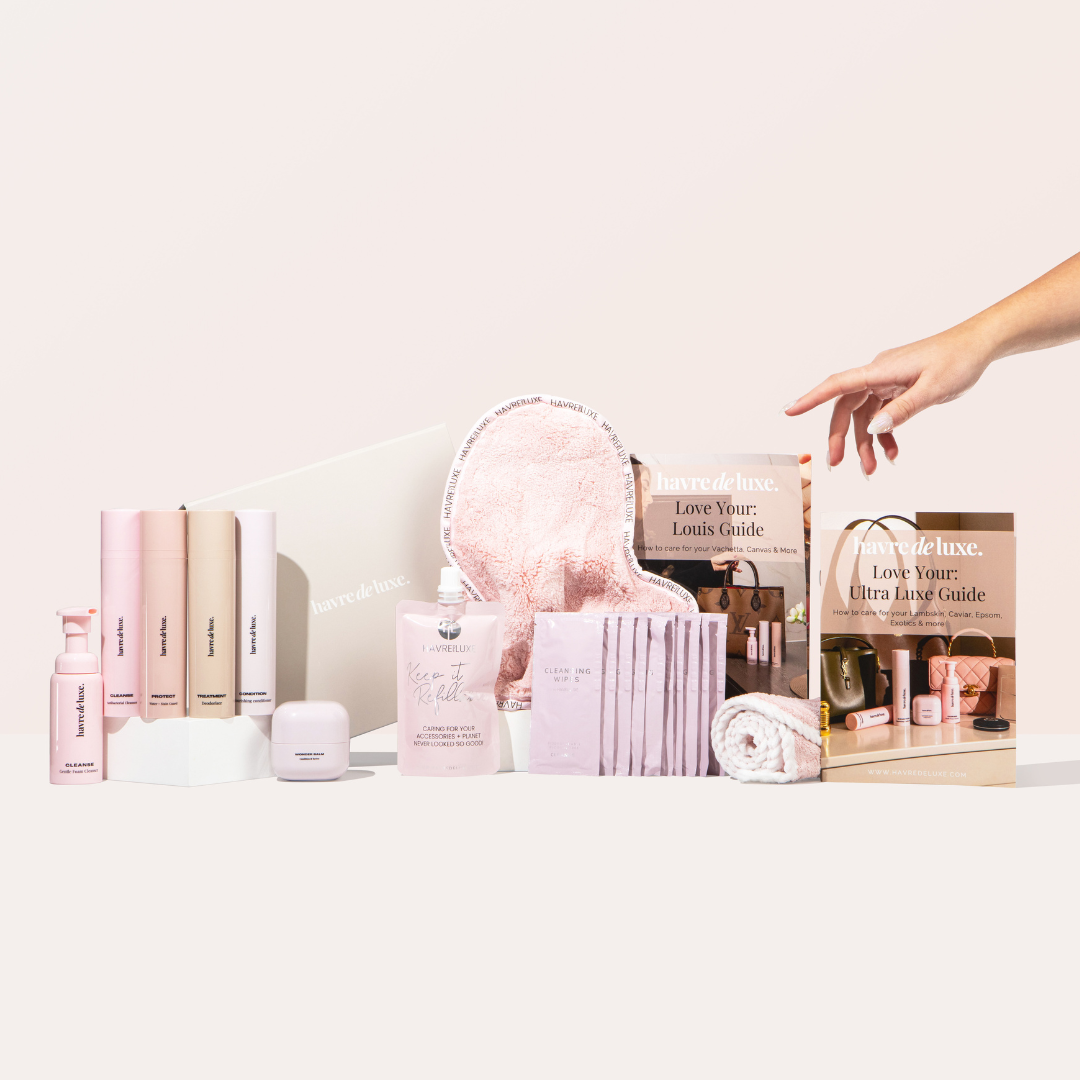
Cleanse, condition and protect, loved by collectors Worldwide and made to the highest of standards in England.
SHOP THE SIGNATURE COLLECTIONSee our care guides first on Google
Add Havre de Luxe as a preferred source and our newest guides appear first in your Google Top Stories.


13 comments
btIUAxlXTiPv
mbSpieudsKcL
XHsfZMPc