









Louis Vuitton Date Codes Explained
Louis Vuitton Date Codes Explained
What the letters and numbers inside your bag really tell you.
A Louis Vuitton date code is a short stamp of letters and numbers, tucked away inside the bag, that records when and where it was made. Read correctly, it gives you the country of the workshop and the month or week and year of production. What it cannot tell you is whether the bag is genuine, and that distinction matters more than any single digit.

What is a date code?
Date codes first appeared in the early 1980s. Before then, bags left the workshops with no such stamp at all, so a vintage piece without one is not, on its own, a cause for concern.
The code is not a serial number, and it was never designed as a certificate. It is a production note: a record of the workshop and the period in which your bag was finished. For a collector, that makes it a quietly fascinating detail. It places a bag in its era, and it often explains why two pieces of the same model feel subtly different in the hand.
Where do you find the date code?
On most bags the code is stamped onto a small leather tab sewn inside, often tucked into an interior pocket or along a seam. On some pieces it is stamped directly onto the lining. Finding it can take good light and a little patience.
On older bags with soft, suede-like linings, the stamp may have faded until it is barely legible, or worn away entirely. That is a mark of age and use, not a fault.
How do you read a date code?
The format has changed several times, so the first step is knowing which era your bag belongs to.
Early 1980s
Three or four numbers and no letters. The first two digits give the year and the rest give the month, so 836 reads as June 1983.
Mid to late 1980s
The numbers still read as year then month, now followed by two letters that identify the workshop. 874VX reads as April 1987, made in France. Towards the end of the decade, the letters moved in front of the numbers.
1990 to 2006
Two letters, then four numbers that interleave. The first and third numbers give the month, the second and fourth the year. VI1025 reads as month 12 of year 05: December 2005, made in France.
2007 to 2021
The same shape, with one change. The first and third numbers now give the week of the year rather than the month, so SD2057 reads as week 25 of 2007, made in the United States.
The letters stand for a workshop and, by extension, a country. France accounts for most of them, with others recorded for Spain, Italy, Germany, Switzerland and the United States. The lists compiled by authenticators are helpful, but none claims to be complete, so an unfamiliar pair of letters is a question to ask rather than a verdict.
When did microchips replace date codes?
From 2021, the house began phasing out stamped date codes in favour of a small microchip embedded in the bag itself, usually out of sight beneath the lining. Authenticators place the change around March 2021, and some pieces carried stamps for a little longer during the transition.
The chip is not something an owner can read in any meaningful way. The information it holds is accessed by the house's own teams. So if you have searched every pocket of a newer bag for a code, you have not missed it. There is simply nothing stamped to find.
A date code tells you when and where a bag was made, not whether it is genuine. Counterfeits often carry convincing, correctly formatted codes, while a genuine bag can have a faint, worn or missing one. If you are buying pre-loved, treat the code as one detail among many and rely on a reputable authentication service for the verdict. Our tips for buying pre-loved cover what else to look for.
Why does a bag's age change how you care for it?
For a collector, the real gift of a date code is context. Once you know a bag's age, you know what it has lived through, and what it is likely to ask of you next.
A newer bag
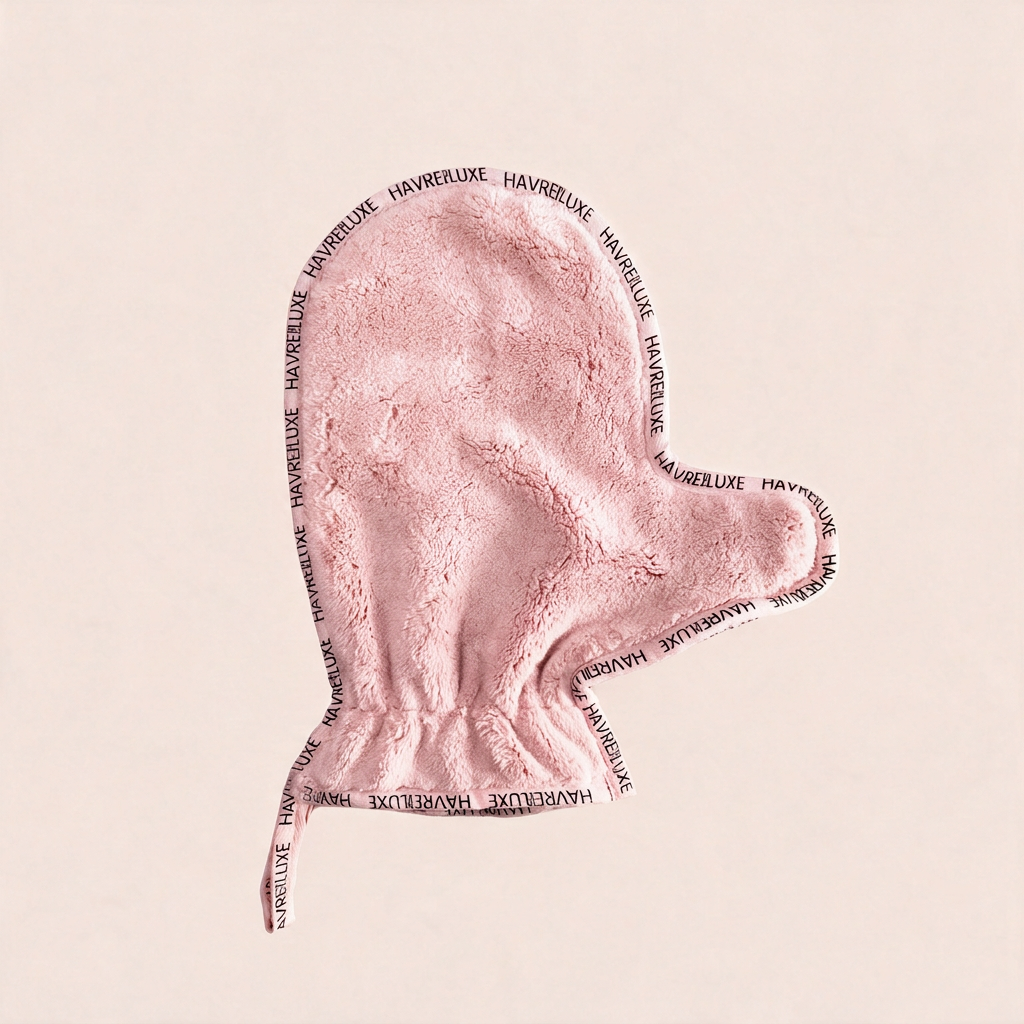
A bag from the last few years still holds its own oils and needs no conditioner at all. What it wants, before its first outing, is Water and Stain Guard on the canvas and the leather trims, applied to the Application Mitt and smoothed over evenly, never sprayed onto the leather, for total peace of mind. Re-apply every 8 weeks if you carry it daily, or every 12 weeks if it comes out once a week.
Aged Vachetta
Handles and trims from the 1990s and 2000s have usually taken on a honeyed patina. If that patina is even and unmarked, it needs no cleansing: protect it as it is and let it keep deepening gracefully. Where Vachetta has become dry and tired, a small amount of Nourishing Conditioner, worked in evenly on the mitt, restores some suppleness. Vachetta can darken after conditioning, so test a hidden area first, and keep Leather Restore Pens for other leathers, as they are not for Vachetta. Our guide to what Vachetta is and how to care for it covers each stage in depth.
Older canvas
Coated canvas is remarkably durable, but decades of sunlight and folding can leave it dry at the corners and creases. Gentle cleansing with Cleansing Wipes, followed by Nourishing Conditioner once a year, keeps it supple and leaves a UV filter behind to help guard against further fading. Our Vachetta and canvas care guide walks through both, step by step.

The code tells you where a bag has been. The care you give it decides where it goes next.Havre de Luxe
Carry every era with confidence
Whether your bag was stamped in 1983 or carries a chip you will never see, it was made to be used. Know its age, give it the care that age deserves, and it will keep travelling with you for years to come. For everything a canvas and Vachetta bag needs in one place, and protectors made for the hardware, explore our care and protectors for canvas and Vachetta bags.
FAQs
Does a date code mean my bag is authentic?
No. A date code records when and where a bag was made, and counterfeits often carry convincing codes. Treat it as one detail among many and rely on a reputable authentication service for the verdict.
Why can't I find a date code in my new bag?
From 2021, the house began replacing stamped date codes with a microchip embedded in the bag, usually beneath the lining. Most newer pieces have no visible code at all.
How do I read a four-digit date code?
For bags made from 1990 to 2006, the first and third numbers give the month and the second and fourth give the year. From 2007, the first and third numbers give the week instead of the month.
Do vintage bags have date codes?
Bags made before the early 1980s usually have no date code at all, and on older bags a code can fade or wear away. Neither is a cause for concern on its own.
Should I condition an older bag?
Only if it is dry. A newer bag needs no conditioner, just Water and Stain Guard. Older canvas or dry Vachetta benefits from a little Nourishing Conditioner, applied evenly with the mitt.
Care for a bag of any age
Everything your canvas and Vachetta need, made to the highest of standards in England.
SHOP THE SIGNATURE COLLECTION