








How to Care for Exotic Leather Bags
How to Care for Exotic Leather Bags
The rarest skins, cared for with the lightest touch.

To care for an exotic leather bag, work with the skin, never against it. Cleansing Wipes are safe on every exotic skin when used in one direction, following the lay of the scales. Gentle Foam Cleanser on the Application Mitt gives a fuller cleanse. Nourishing Conditioner is applied sparingly and only with the scales, and Water and Stain Guard is worked in through the mitt in thin layers. Test every product on a hidden area and leave it a full 24 hours before treating the rest. Below, each skin in turn.
Why do exotic skins need different care?
Every scale has a free edge, and that edge is where lifting begins. Wiping or conditioning against the scales works product under them and can raise them. The finish matters as much as the skin:
- Glazed or shiny finishes: the shine is the finish itself. It is the part you can damage, so it wants the least product and the lightest touch.
- Matte finishes: more natural and more absorbent. They respond to conditioner in their own way, so the patch test matters most here.
- Ostrich: the raised quill follicles can trap product. Less is always better around them.
- Lizard and python: small, fine scales that lift readily if worked backwards.
If you are not sure which finish you have, send us a daylight photo, close-up and straight on, before you begin. We would always rather look first.
How do you clean and condition an exotic bag?
Slowly, sparingly and always with the scales.
Patch test first
Try each product on a small hidden area, such as the underside of a handle near where it meets the bag. Leave it a full 24 hours before judging the result.
Lift everyday marks
Cleansing Wipes are safe on every exotic skin. Wipe gently in one direction only, following the lay of the scales, never against them, and never press.
Cleanse more deeply where needed
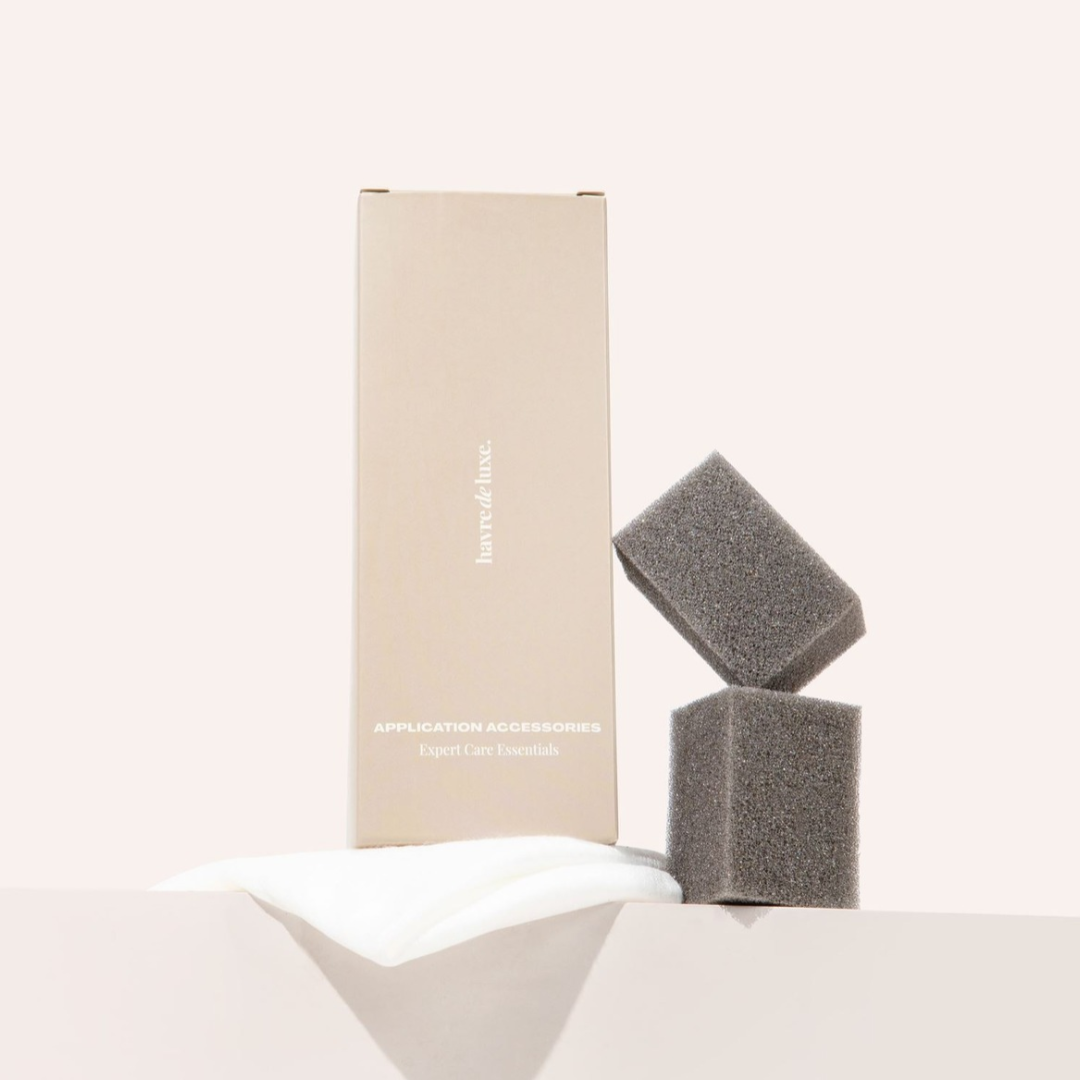
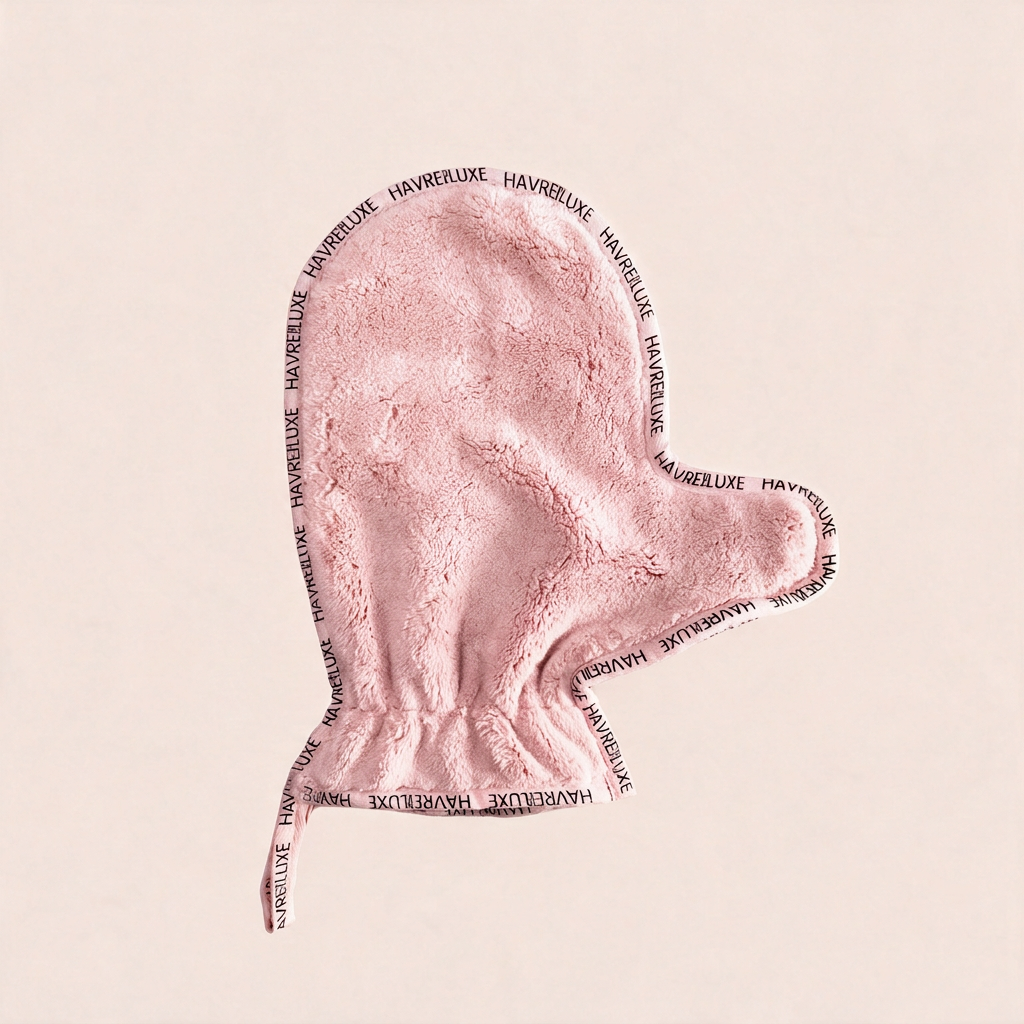
A little Gentle Foam Cleanser on the Application Mitt, worked lightly in the direction of the scales, then wiped away. Let it dry naturally.
Condition with the scales
Nourishing Conditioner, a noticeably smaller amount than you would use on other leathers, worked only in the direction of the scales, never against them, and only where the skin looks thirsty.
Protect through the mitt
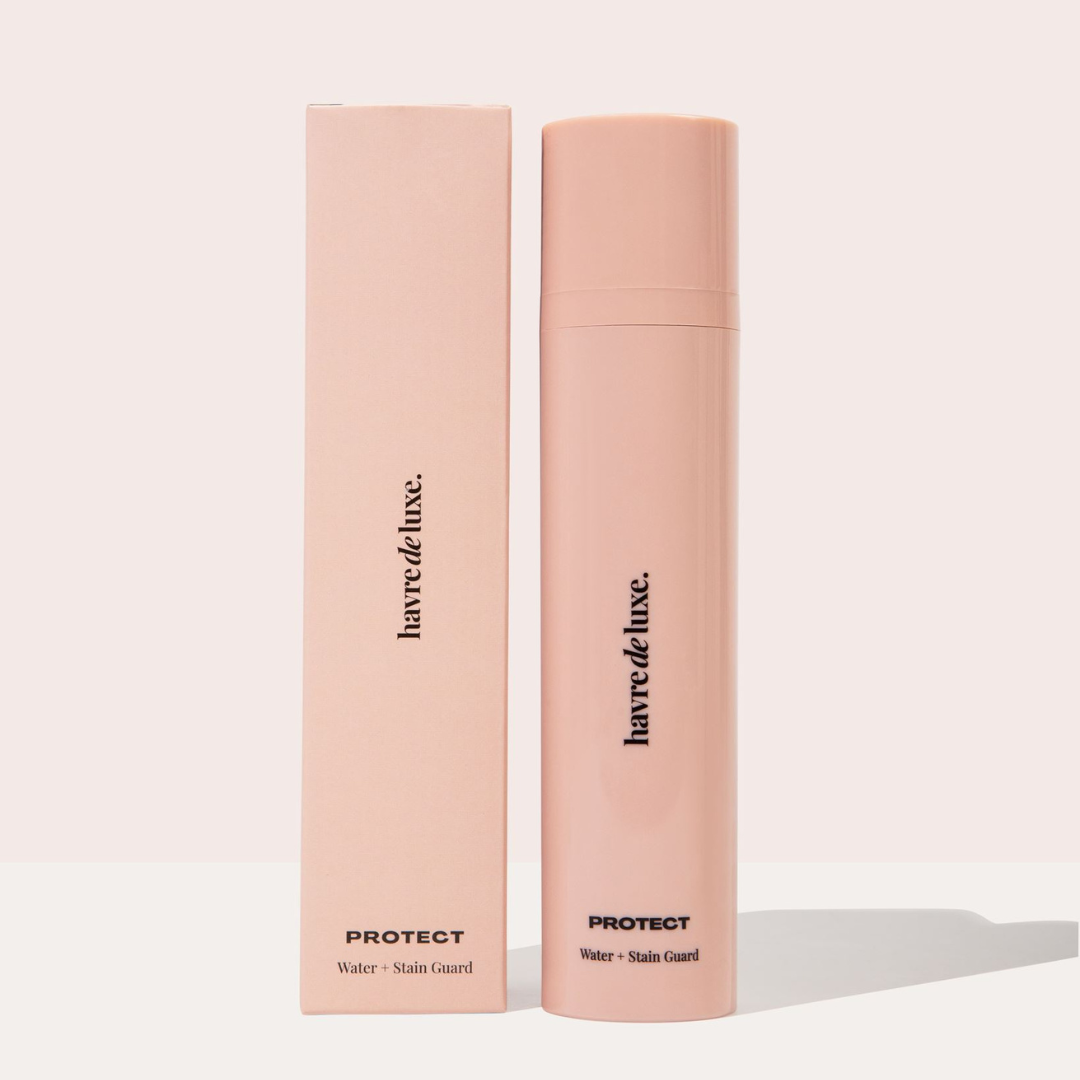
Water and Stain Guard onto the Application Mitt, never sprayed, and worked in thin, even layers so it never pools between scales or in ostrich follicles.
Exotic skins reward restraint. Two light applications do more than one generous one, and anything that pools between scales can mark the finish. Never use household wipes, alcohol or heat on an exotic skin.
How do you care for each skin?
Crocodile and alligator
Glazed crocodile has a polished surface that shows every drop of product, so wipes and the smallest amount of conditioner are enough. Matte crocodile can look slightly thirsty in places. Condition only there, sparingly and with the scales, after a 24-hour test on the underside of a handle.
Ostrich
The follicles are what make ostrich recognisable. Wipe and condition across the skin in light passes and use less product around the quills, so nothing settles in them. Water and Stain Guard goes on through the mitt in thin layers.
Lizard
Lizard needs a very light touch. Wipe in one direction only, following the lay of the scales. Condition with noticeably less than on other leathers, worked the same way, and protect through the mitt.
Python
The broad scales of python lift at their edges if worked backwards. Follow them from head to tail, keep conditioner to a minimum, and never pick at a lifting scale.

What about restoring and storing exotics?
Colour loss, deep stains and lifting scales on exotic skins are not for home treatment. Speak to us before using Leather Restore Pens or anything else on them. For marks on the other leathers in your collection, see our guide to removing stains, and our guide to Clemence, Togo and Epsom leather covers the grained calfskins so often paired with exotic handles.
- Store it dry and breathing. In its dust bag, never in plastic, away from heat and damp. Our guide to caring for bags in a humid climate explains why.
- Rest it in shape. Soft tissue inside so the skin does not crease where it folds.
- Keep it from the sun. Light dries and fades exotic skins quickly.
- Re-protect on a rhythm. Every 8 weeks for a bag carried daily, every 12 weeks for one carried weekly, and after every cleanse.
The rarer the skin, the lighter the touch.Havre de Luxe
If your exotic is a Constance or a Lindy, our guides to caring for a Constance and caring for a Lindy cover the trims and hardware too.
FAQs
Can I use Cleansing Wipes on exotic leather?
Yes. They are safe on every exotic skin. Wipe gently in one direction, following the lay of the scales, never against them.
Can I use Nourishing Conditioner on crocodile?
Yes, sparingly, applied only with the scales and never against them. Patch test on a hidden area and wait a full 24 hours first.
Can I use Water and Stain Guard on ostrich?
Yes. Apply it to the Application Mitt rather than spraying the bag, in thin, even layers, using less around the quill follicles.
How long should I patch test on an exotic?
A full 24 hours before judging the result or treating the rest of the bag.
How often should I protect an exotic bag?
Every 8 weeks for a bag carried daily, every 12 weeks for one carried weekly, and after every cleanse.
For the rarest pieces in your collection
The complete cleanse, condition and protect ritual, with the Ultra Luxe Guidebook and its exotic skins section, made to the highest of standards in England.
SHOP THE ULTRA LUXE COLLECTIONLoved by collectors Worldwide.
See our care guides first on Google
Add Havre de Luxe as a preferred source and our newest guides appear first in your Google Top Stories.


